The map in one paragraph
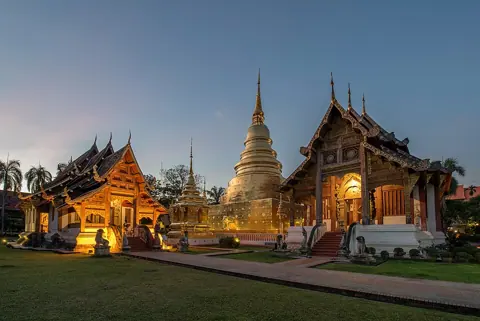
The Old City is a square, bounded by a moat and the remains of a brick wall, with gates at the middle of each side. Tha Pae Gate on the eastern side is the main entrance and the reference point everyone uses. Inside are most of the historic temples, a dense supply of guesthouses, and lanes narrow enough that walking beats riding.
West of the moat is Nimmanhaemin, a grid of cafés, design shops, co-working spaces and modern restaurants that feels like a different city. East, across to the Ping River, things spread out into hotels, night markets and the older commercial streets around Waroros Market. Everything is within a short ride of everything else.
What to sort out on arrival
The same three things as anywhere in Thailand: mobile data, small baht notes, and your accommodation's name written down. The third one matters more here than in Bangkok because you will be telling a songthaew driver where you want to go through the window of a moving truck, and a printed name or a map pin does the work of a conversation.
Then take one deliberate ride in a red songthaew on your first afternoon, somewhere short and low-stakes. Understanding the flag-it-down-and-agree-a-price routine early makes the rest of the trip frictionless.
Which season you have walked into
Thailand's official framework runs summer from mid-February to mid-May, the rainy season from mid-May to mid-October, and a cooler dry season from mid-October to mid-February. In Chiang Mai those three feel genuinely different rather than being variations on hot.
There is a fourth season the calendar does not name. In the dry early months, smoke from agricultural and forest burning collects in the valley, and Thai health guidance uses a five-colour PM2.5 scale where the orange and red bands call for reduced outdoor exertion and a mask. If you have arrived in those months, check the live reading before committing to a day in the hills.
Temple manners
Cover shoulders and knees, take your shoes off where indicated, and keep your voice down. These are working religious sites, not exhibits, and the monks you see are residents rather than staff.
Two specifics travellers often miss: do not point your feet towards a Buddha image when sitting, and women should not hand objects directly to a monk. Neither is a trap; both are easy once you know.
A first-visit shape that works
Spend the first day in the Old City on foot, the second on one excursion out of the city, and the third split between Nimmanhaemin and a night market. Book the excursion in advance and leave the rest loose. Chiang Mai is a city that punishes over-scheduling and rewards a slow morning in a café, which is, in the end, why people keep extending their stay.