What it is, in plain terms
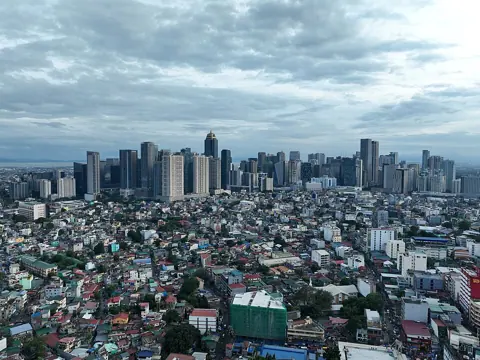
Ayala Land describes Bonifacio Global City as a thoughtfully planned nexus of retail, restaurant, cultural and work spaces, transformed from a former military base into a business district, located in Taguig City and about three kilometres from Makati City.
That description matches the experience. The district is laid out as a grid, with wide pavements, landscaped corners, public art and towers that were built recently and together. It reads as one project rather than as a neighbourhood that accumulated over a century, because that is what it is.
The jurisdiction question
If you have read older material about BGC, you may have seen it described as part of Makati. That reflects a boundary dispute that ran for years.
The Supreme Court resolved it in December 2021, setting aside the Court of Appeals resolutions and reinstating the regional trial court's decision, which had declared the presidential proclamations that altered the boundaries unconstitutional and invalid for having done so without a plebiscite. The effect was to confirm Taguig's jurisdiction over the disputed Fort Bonifacio parcels.
For a visitor this is trivia rather than a practical concern, but it explains why sources disagree, and why the district is correctly filed under Taguig today.
Why it feels different
Metro Manila is built around vehicles. Most districts assume you will arrive in one and leave in one, and crossing a road can involve a footbridge and a long detour.
BGC assumes you will walk. That single design decision changes the texture of a day. You can eat, shop, buy a SIM top-up, visit a supermarket and see a gallery without booking transport between each step, which is genuinely rare here.
What it is not
It is not old Manila, and it does not pretend to be. If your interest is Spanish-era architecture, historic churches, riverside districts or the layered street life of the older city, those are elsewhere, and reaching them means crossing the metro area.
It is also not cheap by local standards. The restaurants, retail and accommodation in a business district are priced for a business district. That is not a criticism, but it makes BGC a poor choice for a traveller optimising for budget.
And it is small. You can walk its extent in an afternoon, which is part of the appeal and also a reason not to base a long trip here if the city itself is what you came for.
Practical notes for a stay
Getting in and out is the main logistical question. The district sits within reach of Makati and the wider metro road network, and the beep stored-value card used across the rail lines is also listed as accepted on some city buses including the BGC Bus, which is useful if you are moving around by public transport.
Weather shapes how much of the walkability you actually use. The national weather agency describes a cool dry season from December to February, a hot dry season from March to May, and a rainy season from June to November. In the hot months, wide pavements are pleasant in the morning and evening and demanding at midday; in the rainy months, the covered and indoor routes matter more.
Who should stay here
| You want | BGC is |
|---|---|
| Walkable days without booking rides | A strong choice |
| Modern food, retail and comfort | A strong choice |
| A quiet, predictable base for work travel | A strong choice |
| Historic districts and street-level texture | The wrong base |
| A budget trip | Expensive relative to other districts |
A fair summary
BGC is the part of Metro Manila that most resembles a planned international business district, and it delivers that reliably. Visitors who arrive expecting it to represent the city are usually disappointed; visitors who use it as a comfortable base and travel out for the rest tend to get the balance right.