Who this is for
This itinerary is for a first-time visitor to Seoul with three full days who wants a plan organized by area and travel logic rather than a long, scattered list of attractions. It assumes you're staying centrally enough that each day's area grouping is a reasonable single trip out and back, and that you'll confirm specific hours and tickets closer to your visit.
If your three days are split around other commitments — a business trip, a stopover, or travel to another Korean city — treat this as a template to adapt rather than a fixed schedule.
Day 1: the central historic core
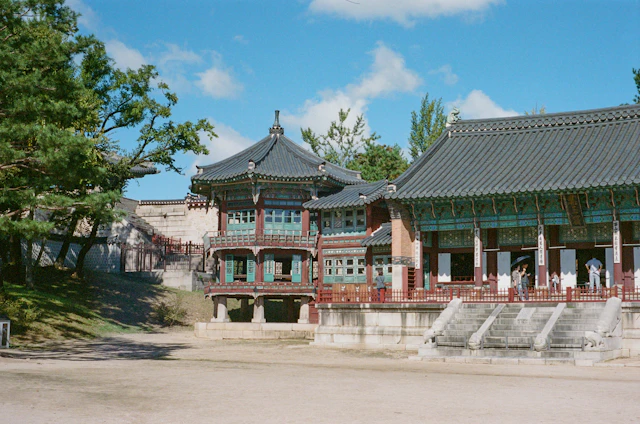
Group your first day around Seoul's central historic district, where the city's five Joseon-dynasty grand palaces, traditional neighborhoods, and central shopping streets sit close enough together to move between on foot or a short transit ride. Starting here also means you're near major transit interchanges if you need to adjust plans midday.
Treat this as a morning-to-afternoon block around the palace and traditional-neighborhood area, followed by an evening block in a nearby commercial district. Because opening hours and any seasonal closures for palace complexes were not verified for this guide, check the current schedule the night before rather than assuming a fixed pattern.
Day 2: river-adjacent modern districts
Your second day shifts to Seoul's more contemporary districts, generally organized around shopping, café culture, and riverside or park space. Because these areas tend to sit further from the historic core, treat this as a separate day rather than trying to combine it with Day 1's neighborhoods.
Plan this day loosely between a daytime block for shopping or a specific district's main draw, and an evening block near the river or a nightlife-adjacent area if that fits your interests. Exact transit times between specific neighborhoods weren't verified here, so check a map app for your planned route the morning of, rather than estimating.
Day 3: one outer or specialty area, with buffer time
Use your third day for a single outer neighborhood or a specialty interest — whether that's a market district, a specific cultural site further from the center, or a half-day trip you didn't want to dedicate a full separate day to. Because this day sits at the edge of your trip, keep it lighter than the first two.
Building in buffer time on this day matters more than on the others: it absorbs delays from Day 1 or 2, gives you room for a last-minute purchase or packing task, and reduces the risk of rushing to a departure point if your Day 3 also involves heading toward the airport or your next destination.
Adjusting for luggage, family, or budget
If you're checking out of your hotel partway through the itinerary, plan that transition day around wherever you can leave your bags rather than carrying them through a full sightseeing day — hotel bell desks, station lockers, and city storage services are typical options, though hours and size limits vary and weren't verified here.
Traveling with kids generally means fewer stops per day and more slack between them than this itinerary assumes by default; consider dropping one area per day rather than adding a fourth stop. On a tighter budget, the itinerary structure doesn't change, but plan which paid attractions matter most to you in advance so you're not deciding on the spot each day.
What to confirm before you go
Before each day, confirm the current opening hours and any ticket requirements for the specific sites you plan to visit, since these change by season and were not verified for this guide. Check your planned transit route each morning rather than relying on a fixed transit time estimate, and if your itinerary connects to an airport transfer, luggage storage, or a T-money card decision, treat those as separate choices to settle ahead of time rather than mid-itinerary improvisation.